

The package says 30 years. The neighbor says 15. Somebody’s uncle got 40. Who’s right?
All of them, unfortunately, because a shingle’s lifespan isn’t a number, it’s a range that your specific roof moves through based on what’s above it, under it, and growing on it. Here’s how the roofing math actually works in our corner of the Pacific Northwest.
The honest ranges
Three-tab shingles: 15 to 20 years here. They’re the thin, flat, budget option, and most manufacturers are phasing them out.
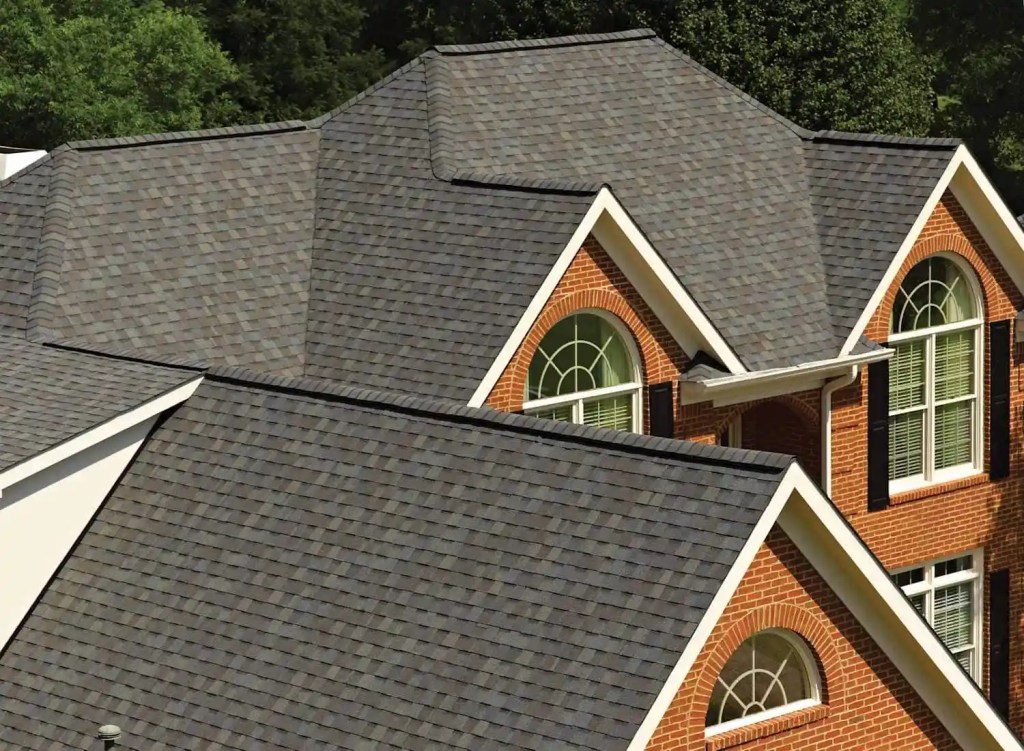
Architectural shingles: 22 to 30 years in Western Washington. Thicker, layered, wind-rated, this is the standard on most homes we work on, and it’s what CertainTeed’s Landmark line is.
Designer/premium tiers: 30+ years, with the caveat that the roof around the shingle, flashing, ventilation, underlayment, has to be built to the same standard.
Notice those numbers run under the packaging. A “30-year” rating describes warranty coverage in ideal conditions, not a promise about your roof in a climate with eight months of rain.
What shortens a roof’s life here
Moss. The Pacific Northwest special. Moss holds moisture against the shingle, pries up the edges as it grows, and tears granules off when it’s stripped carelessly. A mossy north slope can age a decade faster than the south slope of the same roof.
Poor attic ventilation. This is the silent one. A badly vented attic cooks the shingles from underneath in summer and traps moisture in winter. We’ve seen 12-year-old roofs with 25-year shingles that failed from the inside. It’s why our inspection always includes the attic.
Trees. Shade grows moss, needles hold moisture, branches abrade the surface.
Cheap installation. Thin underlayment, reused flashing, bad nailing patterns. The shingle gets the blame; the install was the problem.
The signs your roof is aging (and the signs it’s failing)
Aging looks like: granules collecting in gutters, slight fading, edges just beginning to lift. An aging roof is a candidate for maintenance and treatment.
Failing looks like: cracked or missing shingles across the field, curling you can see from the street, exposed mat where granules used to be, daylight or moisture in the attic. A failing roof is past treatment, the question becomes repair scope versus replacement.
The difference matters because the two get very different price tags, and plenty of companies are happy to blur the line in the expensive direction.
How to get the long end of the range
Three things, none of them complicated.
Keep it clean. Moss handled properly, killed and released, never pressure-washed, plus clear gutters and trimmed branches.
Keep it ventilated. If your attic runs hot or damp, fixing airflow adds years to whatever is on the roof.
Feed the shingles. Aging shingles dry out before they wear out. A Roof Maxx treatment restores the oils that keep shingles flexible, up to five years per application on a structurally sound roof. For a roof in the 8-to-18-year window, that’s often the cheapest decade you’ll ever buy.
Where your roof actually is
You can’t tell a roof’s age-versus-condition from the ground, and neither can anyone else. That’s the whole reason our free 21-point inspection covers the shingle field, every penetration, the flashing, and the attic, where ventilation and moisture write the roof’s real biography.
You’ll get an honest assessment with multiple options: maintenance, treatment, repair, or replacement backed by CertainTeed’s 50-year materials and 30-year workmanship warranties. The right answer for where your roof actually is, not the answer that happens to be the biggest invoice.
Your home deserves a roof done right. Book your free 21-point roof inspection or call (425) 292-8327.
Your Home Deserves A Roof Done Right.
Free 21-point roof inspection, roof and attic. Multiple options, honest assessment, no pressure.
Book My Free Inspection